


Forgotten Heroes of WW2 - Captain Ashe Lincoln QC KCB RNVR
- Shaun Lewis
- 2 days ago
- 2 min read

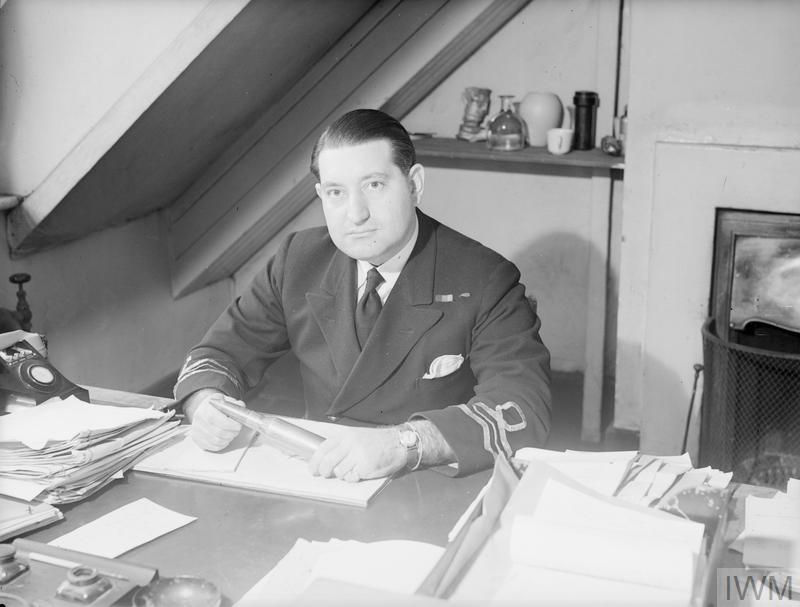
Ashe Lincoln was a barrister prior to and following WW2. Having been educated initially in Plymouth, he developed a love for the sea and joined the RNVR in 1937. Called up on the outbreak of war, he initially served in minelayers, but within weeks he was summoned to the Admiralty to use his analytical skills to try to solve the mysterious sinkings of and damage to several British merchantmen and warships from underwater explosions. He quickly confirmed the Admiralty’s suspicions that the Germans had deployed a new form of mine and it was probably magnetically triggered. Four brave men from HMS Vernon, the mines and torpedo school, subsequently stripped two such mines to confirm the suspicions. Had the mystery not been solved and countermeasures developed, Britain would have lost the war within a further six weeks.
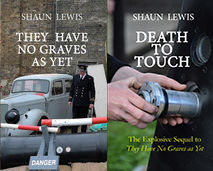
Following this success, Lincoln became a full-time intelligence officer in the Department for Torpedoes and Mines (Investigations) (DTMI). He worked closely with the brave Royal Navy Rendering Mines Safe (RMS) teams to learn the German mine manufacturers latest secrets and trained himself to defuze the dangerous (often booby trapped) magnetic mine, earning himself a Mention in Despatches. The character of Monty Montcalm was inspired by Lincoln’s wartime experiences in my novel on mine disposal, They Have No Graves as Yet.
Lincoln went on to volunteer for Ian Fleming’s intelligence commandos, 30 Assault Unit, and he took part in the Allied landings in Sicily and Italy, earning another Mention-in-Despatches, before seeing service in NW Europe following D-Day searching for German secret weapons and documents. I have fictionalised some elements of his story with 30AU in my novel, Death to Touch, again through the character of Monty Montcalm. Readers of my novels will know that there is very little for me to make up.
Lincoln ended the war as a commander, but was later promoted to captain. He returned to the Bar where he had a distinguished career, including being a deputy judge in the Crown Court and elected a Master of the Inner Bench of the Temple. He died at the age of 90 in 1998.


Comments