


Heroes of WW2 - Hugh Syme GC, GM & Bar, RANVR
- Shaun Lewis
- Feb 19
- 2 min read

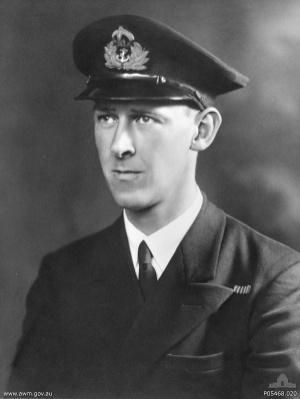
Hugh Syme was born on 20 February 1903 in a suburb of Melbourne. I have posted several times on the subject of Britain’s most decorated WW2 hero, John Bridge, but Syme was the only other officer to be awarded both the George Cross and two George Medals. Syme was a keen yachtsman and, on the outbreak of WW2, he joined the Royal Australian Naval Volunteer Reserve (RANVR). He subsequently volunteered to join a contingent of other RANVR personnel sailing to Britain in late 1940. After initial training, he became a member of the RN’s Rendering Mines Safe (RMS) units. These units had as their prime responsibility the defuzing of huge magnetic mines dropped by parachute on cities to create terror and panic. The work was extremely dangerous as these mines were often dropped on such key installations that the loss of the life of the defuzing officer was considered more acceptable than destroying the mine on site with the collateral damage. Once the clockwork fuze started, the unfortunate officer concerned had up to 17 seconds to run 400 metres to safety.
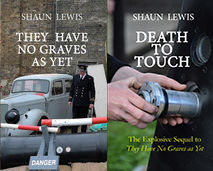
On learning the stories of the RMS teams, I was so impressed with their extraordinary, even suicidal, courage that I was inspired to write my novel, ‘They Have No Graves as Yet’. I have attributed some of his mine disposal actions to various characters, but he appears in his own right in the sequel, 'Death To Touch’. One such example is the tale of how he defused a new type of mine in very challenging circumstances on the mud flats off Weston-Super-Mare. This ‘T’-type mine had a new form of sinker that meant it should self-destruct after seven days. The Admiralty were keen to lay their hands on such a mine, but were only told about the discovery of four such mines six days after they were dropped by the Luftwaffe. Syme was sent from London to Weston-Super-Mare with utmost despatch, but by the time of his arrival, it was too late to deal with the mines. All bar three exploded, but that left one. Despite his reservations, Syme tackled the mine knowing that it should have already exploded and could go off at any time. He had to work in waist-deep mud and sand, and upside down. To complicate matters further, the Germans had shortened the wires leading to the fuzes in order to prevent the RMS officer making a loop to cut them. Three times Syme received a powerful electric shock before he was successful in making the mine safe. The skin was later to peel from his hand. The scientists discovered that the mine had not exploded because a minute piece of verdigris had lodged in the electrical contact points to prevent the firing circuit being made.
In all, Syme rendered safe 19 mines before his return to Australia where he set up his navy’s bomb disposal unit at HMAS Cerebus. He died in 1965 at the age of 62.


Comments